Understanding Hormone Health Options
Hormone optimization therapies target different pathways in the endocrine system. Growth hormone secretagogues stimulate natural HGH production, testosterone modulators directly influence testosterone production pathways, and supplements provide nutritional support for overall hormone health. Below is a breakdown of the specific products listed.
1. Growth Hormone Secretagogues
These medications stimulate the body to produce more Growth Hormone (GH), which can aid in recovery, lean muscle mass, and sleep. They are not testosterone, but are often used alongside testosterone therapy (TRT) for "Performance Recovery."
Sermorelin Acetate
- Type: Prescription Peptide Therapy
- Active Ingredient: Sermorelin
- Mechanism: A growth hormone-releasing hormone (GHRH) analog. It signals the pituitary gland to produce and release more Human Growth Hormone (HGH).
- Administration: Typically administered via subcutaneous injection
Overview: Used to combat age-related decline in GH. Benefits often include improved energy, deeper sleep, reduced body fat, and faster recovery from injuries or workouts. It works with the bodys natural feedback systems rather than introducing external hormones.
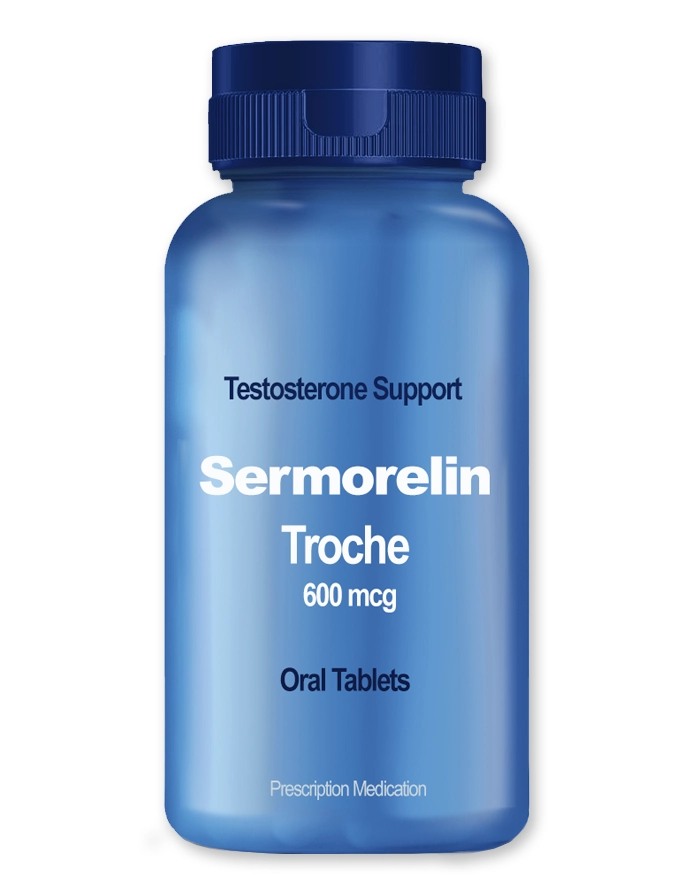
Sermorelin Troche
- Type: Prescription Peptide Therapy (Alternative Delivery)
- Active Ingredient: Sermorelin
- Mechanism: Same as above (stimulates natural HGH production)
- Administration: A "troche" is a lozenge that dissolves in the cheek or under the tongue (buccal/sublingual administration)
Overview: This offers an alternative to injections for patients who prefer to avoid needles, though absorption methods differ. The troche format provides convenience and eliminates the need for injection training and supplies, though bioavailability may differ from injectable forms.
2. Testosterone Modulators / Supports
These products directly influence the bodys hormonal pathways to increase or support testosterone levels.
Enclomiphene Flex Dose
- Type: Prescription Medication (Selective Estrogen Receptor Modulator - SERM)
- Active Ingredient: Enclomiphene citrate
- Mechanism: Blocks estrogen receptors in the brain. This tricks the pituitary gland into thinking estrogen levels are low, causing it to release more LH (Luteinizing Hormone) and FSH, which in turn signal the testes to produce more testosterone.
- Administration: Oral tablet, typically once daily
Overview: Often prescribed as an alternative to traditional testosterone injections for men who wish to maintain fertility. It elevates natural testosterone production rather than introducing external testosterone, preserving the HPG axis and testicular function. Requires medical supervision and regular blood work.
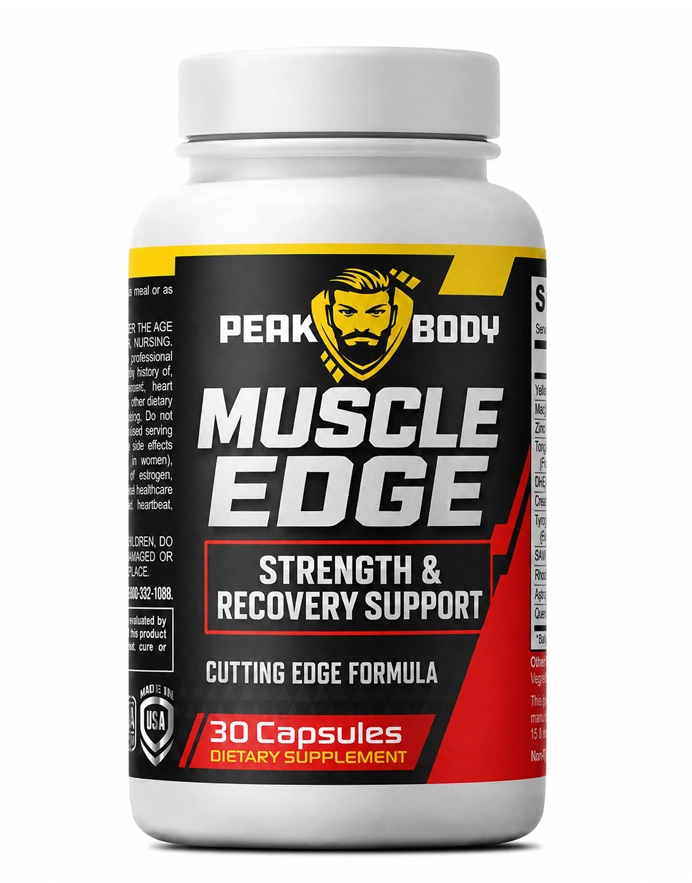
DHEA Testosterone Support
- Type: Over-the-counter Supplement / Hormone Precursor
- Active Ingredient: DHEA (Dehydroepiandrosterone)
- Mechanism: DHEA is a natural steroid hormone produced by the adrenal glands. It acts as a precursor to both testosterone and estrogen. Supplementation aims to provide the raw materials for the body to create more hormones.
- Administration: Oral capsule, typically once daily
Overview: Used to combat age-related decline in hormone levels. It is generally milder than prescription options and is available without a prescription, though effects on actual testosterone levels can vary by individual. Best used under healthcare provider guidance, as DHEA can affect hormone balance.
3. Proprietary Blend / Supplement
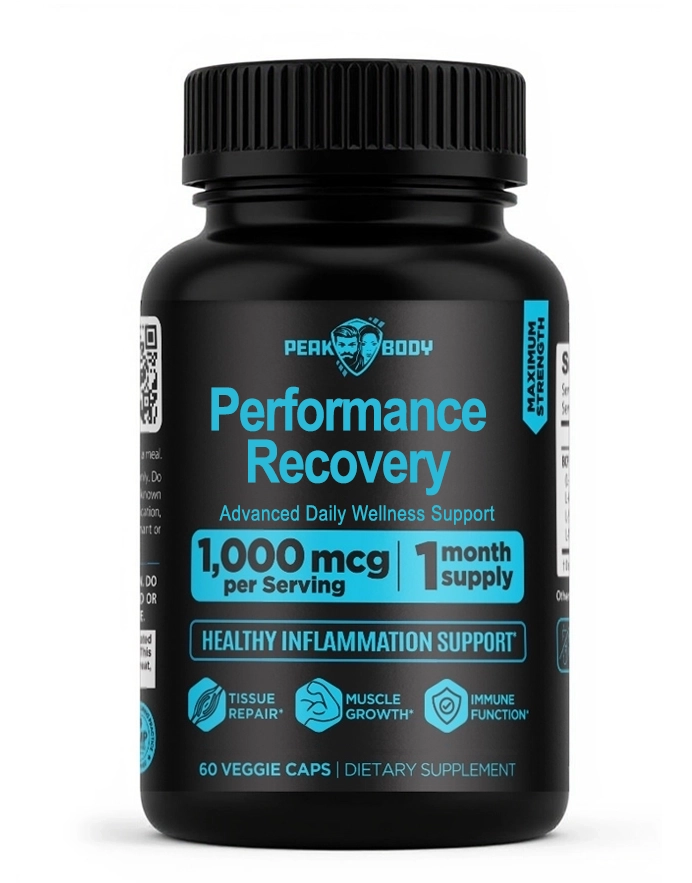
Performance Recovery
- Type: Dietary Supplement / Proprietary Blend
- Active Ingredient: Typically contains a blend of adaptogens (like Ashwagandha), amino acids, and vitamins aimed at reducing cortisol and supporting natural testosterone production
- Mechanism: Supports the bodys recovery systems and optimizes conditions for hormone health
- Administration: Oral capsules, typically twice daily
Overview: Unlike the prescription options above, this is an over-the-counter formula designed to support the bodys recovery systems. It aims to optimize the conditions for hormone health (e.g., lowering stress hormones like cortisol) rather than directly supplying hormones or stimulating glands with peptides. May be used as part of a comprehensive approach to wellness and hormone optimization.
Key Differences at a Glance
- Sermorelin (Injectable & Troche): Prescription peptides that stimulate the pituitary to produce more growth hormone (HGH). Benefits include improved recovery, sleep, body composition, and energy.
- Enclomiphene Flex Dose: Prescription SERM that blocks estrogen receptors to increase natural testosterone production while preserving fertility.
- DHEA Support: OTC hormone precursor that provides raw materials for the body to produce testosterone and estrogen. Milder effects, available without prescription.
- Performance Recovery: OTC supplement blend that supports recovery by reducing cortisol and providing nutritional support for hormone health.
Summary Comparison
| Medication | Type | Primary Action | Mechanism |
| Sermorelin Acetate | Prescription Peptide | Increases HGH | Stimulates pituitary to release GH |
| Sermorelin Troche | Prescription Peptide | Increases HGH | Same as above (oral lozenge) |
| Enclomiphene Flex Dose | Prescription SERM | Increases Testosterone | Blocks estrogen receptors to stimulate natural production |
| DHEA Support | OTC Supplement | Hormone Precursor | Provides raw material for hormone synthesis |
| Performance Recovery | OTC Supplement | Recovery Support | Reduces cortisol / Nutritional support |
Important Considerations
- Prescription vs. OTC: Sermorelin and Enclomiphene require a prescription and medical supervision with regular blood work. DHEA and Performance Recovery are available over-the-counter but still benefit from healthcare provider guidance.
- Medical Evaluation: Before starting any hormone therapy, a thorough medical evaluation including baseline hormone levels is essential to determine appropriate treatment.
- Monitoring: Prescription hormone therapies require regular follow-up blood work to assess response, adjust dosing, and monitor for side effects.
- Individual Variation: Response to all these therapies varies based on age, genetics, baseline hormone levels, and overall health status.
- Comprehensive Approach: Optimal hormone health involves nutrition, exercise, sleep, stress management, and sometimes supplementation or medication under medical guidance.